What vegetable tanning is, and why it beats chrome
Chrome tans in a day; plant tannins need weeks. What happens during those weeks decides everything that follows.
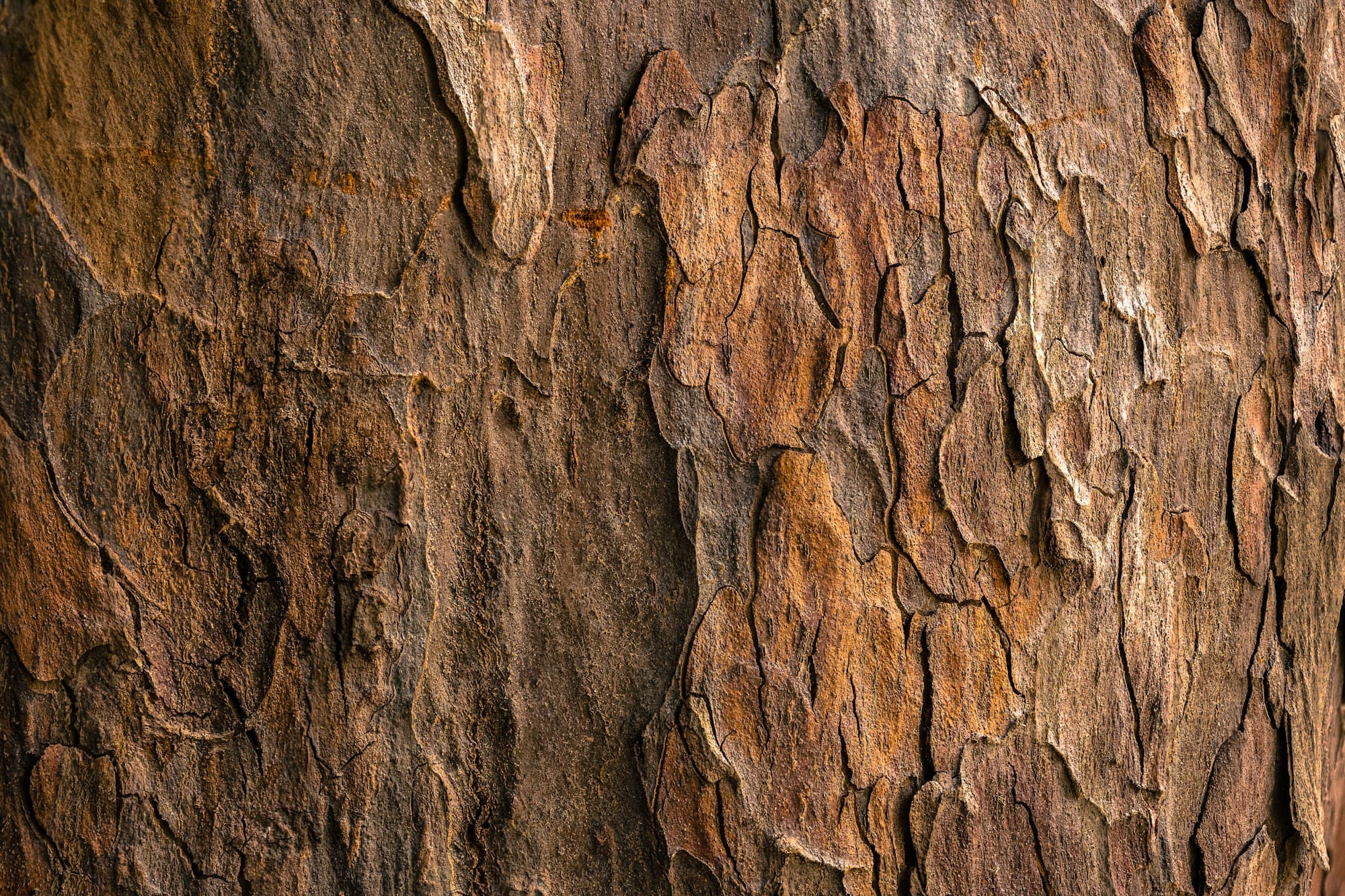
Jude Infantini / Unsplash
Between chrome leather and vegetable-tanned leather there is not a detail but a different process. Both turn a hide into a durable material. The route there has almost nothing in common, and you do not see the result on the first day. You see it after years.
What tanning actually means
A raw hide is protein. Left alone, it rots. Tanning means cross-linking the collagen fibres so they stop decomposing while staying supple. The only question is what you cross-link them with.
Chrome tanning uses chromium(III) salts. They are small, they penetrate fast, and they bond the fibre in hours. That is why a day is enough. Vegetable tanning uses tannins: large molecules from bark, wood and fruit. They need weeks to work through the full substance of the hide, and that is precisely the point.
Why the time changes the material
Tannins do not merely attach to the fibre, they fill it. A plant-tanned hide ends up heavier, denser and firmer than the same hide would be after a chrome tannage. It stands rather than falls. It can be embossed and tooled. And it takes colour in depth, not only at the surface.
This also explains the patina. Chrome leather changes little, because the surface is usually pigmented and therefore sealed. Vegetable-tanned leather is open: light, the oil from a hand, and air all work their way into the fibre. It darkens, it shines where it is held, it becomes an object with a history.
And the environmental question
Chrome tanning is not inherently toxic. Chromium(III), the one in common use, is not the same thing as chromium(VI), the dangerous one. The problem lies in the process: under the wrong conditions chromium(III) can oxidise into chromium(VI), and the effluent from a chrome tannery needs serious treatment that does not happen everywhere.
Plant tannins are renewable and biodegradable. They load wastewater too, and it would be dishonest to leave that out. But at the end of life there is one difference that is not ambiguous: a plant-tanned hide decomposes. A chrome-tanned one does not.
The difference does not show on the first day. It shows in the third year.
We did not choose the slow way because it is romantic. We chose it because the material that comes out of it lives longer and ages more honestly.