Why vegetable-tanned leather smells of the forest
The scent is not an additive and not a perfume. It is what the bark leaves behind in the leather.
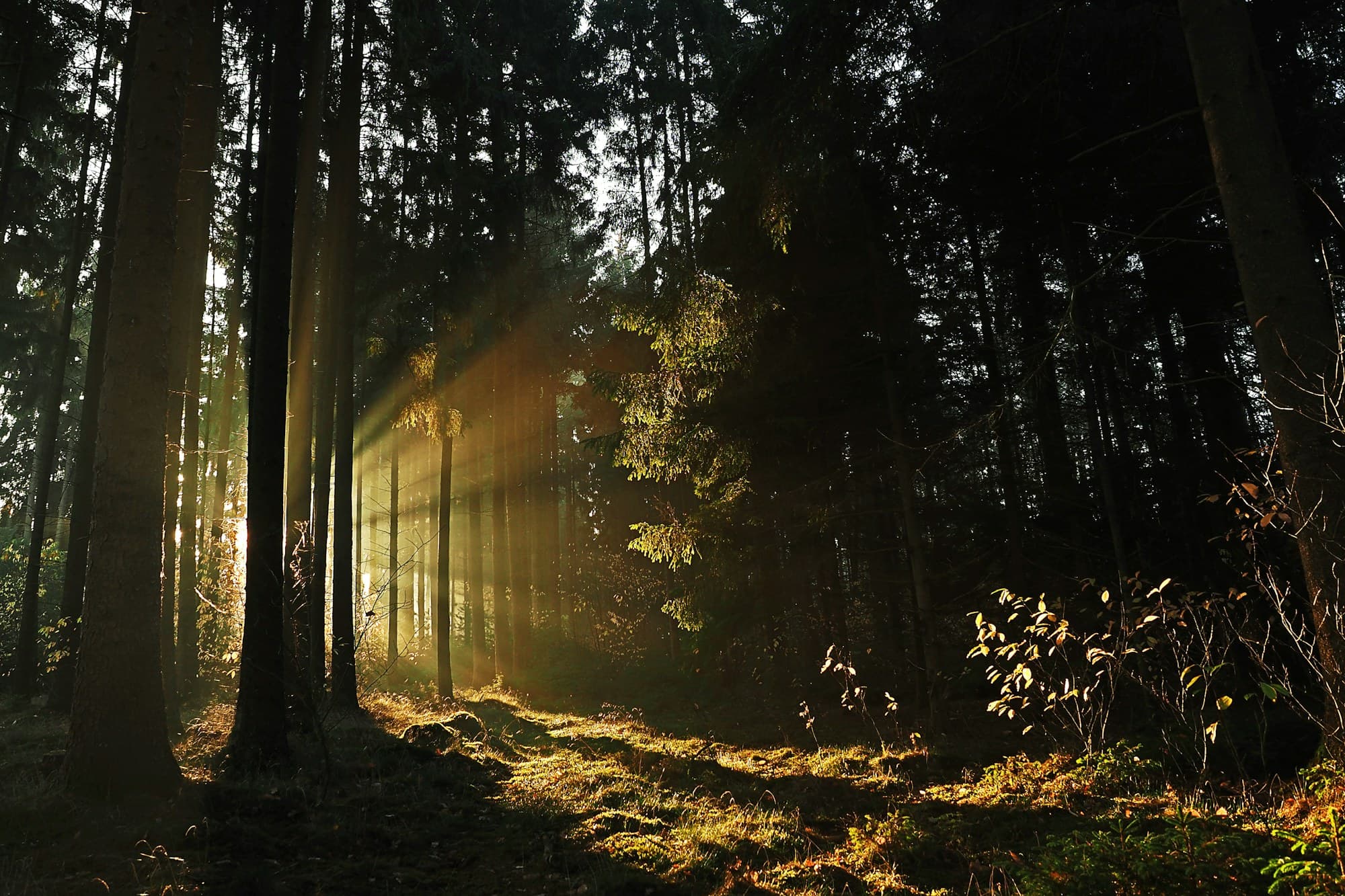
Pascal van de Vendel / Unsplash
Hold a vegetable-tanned leather to your nose for the first time and you recognise the smell immediately, without being able to name it. It sits somewhere between wet wood, tea, and an old library.
Where the smell comes from
It comes from the bark. Tannins are polyphenols, and they bring their own volatile compounds with them: those of oak, of chestnut, of mimosa. When a hide lies for weeks in a liquor of ground bark, it does not only take up firmness and colour. It takes the forest with it.
It is the same mechanism that gives a wine aged in an oak barrel its vanilla and spice. The same plant, the same molecules, a different medium.
Why it cannot be faked
Leather can be perfumed. The industry does it, and it works for a while. The difference is depth: a sprayed scent sits on the surface and is gone within months. The smell of a vegetable-tanned leather sits in the fibre, because the tannin itself sits in the fibre.
That makes the scent a usable test. Not the only one, but the quickest. A chrome leather smells of nothing, or of chemistry. A freshly tanned plant leather smells of the tree its tannin came from.
And it fades
Honestly: the scent grows fainter over the years. It is strongest when the hide leaves the tannery. After five years you have to lean in. It never disappears entirely, but it is not a permanent state. It is the beginning of a long change.