Craft
Four steps that cannot be shortened. We show all of them, because the process is the product.
Raw material
Rohware
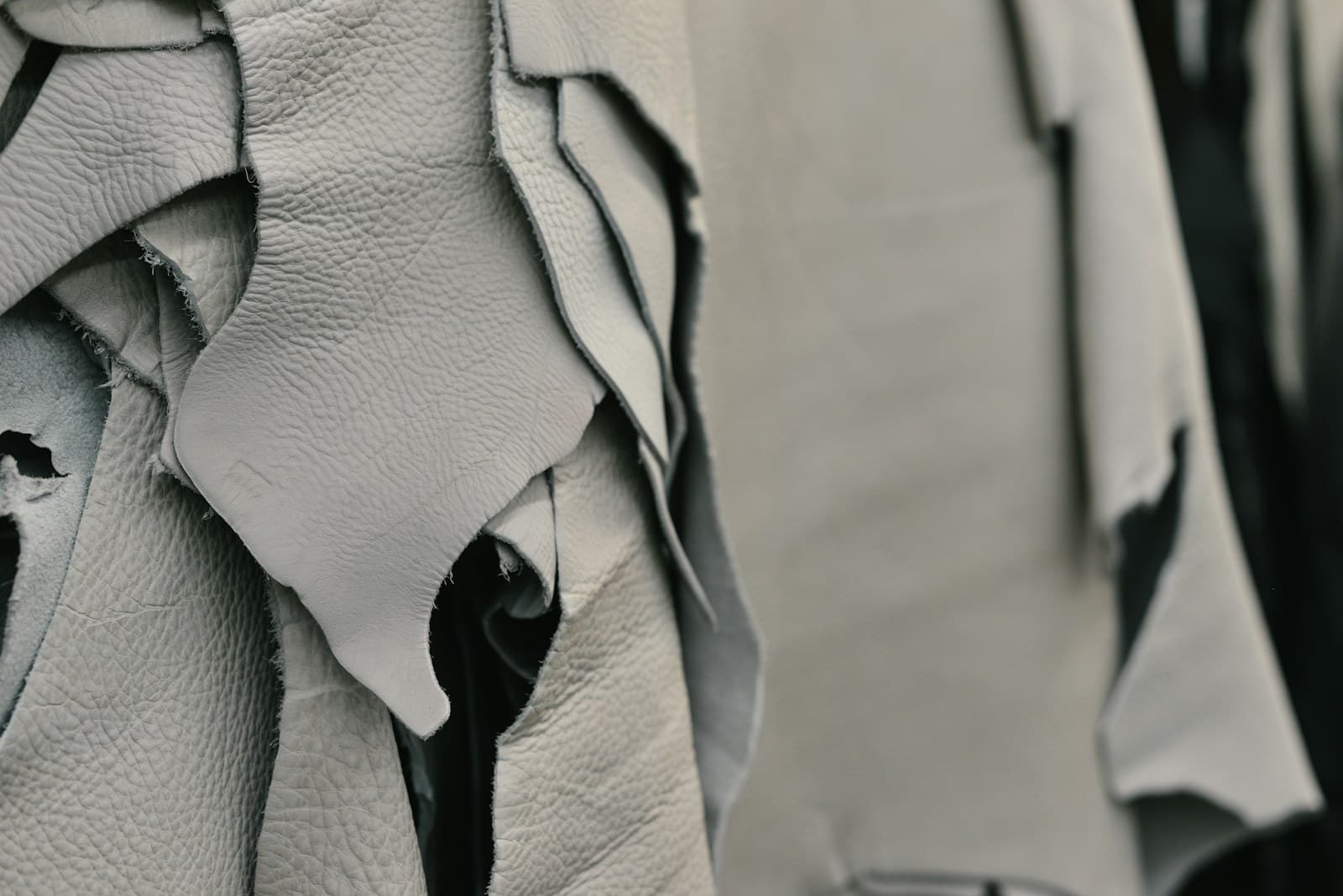
Selection of German-sourced full-grain hides. Only the cleanest, most consistent skins move forward. What is rejected here cannot be rescued by any later step.
Per delivery
Tanning
Gerben
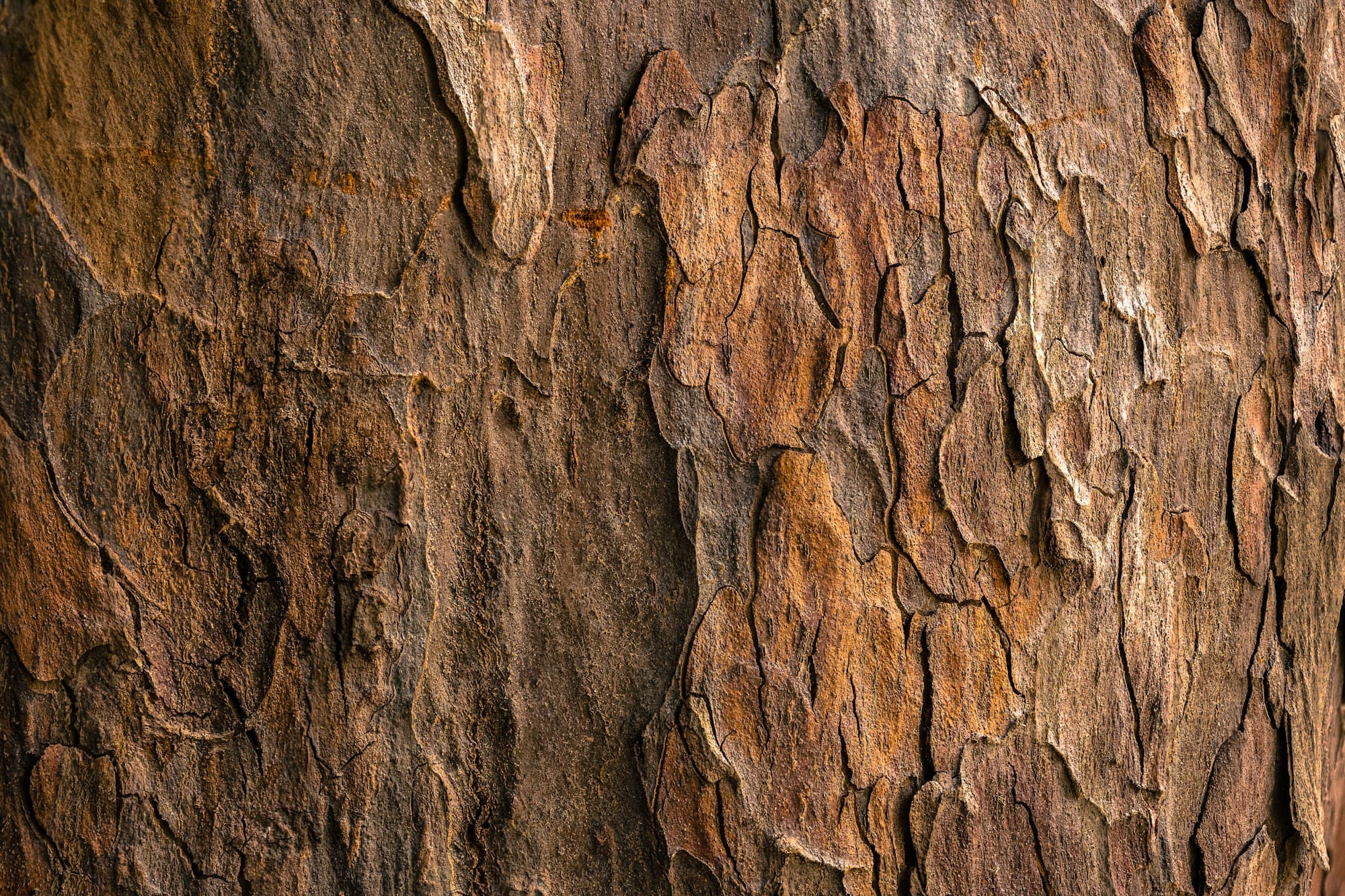
Hides rest in baths of plant tannins, moving from weak to strong. Oak, chestnut, mimosa. No chrome, no shortcuts. This is the step that defines durability, scent and the way the leather will age.
Weeks to months
Dyeing
Färben
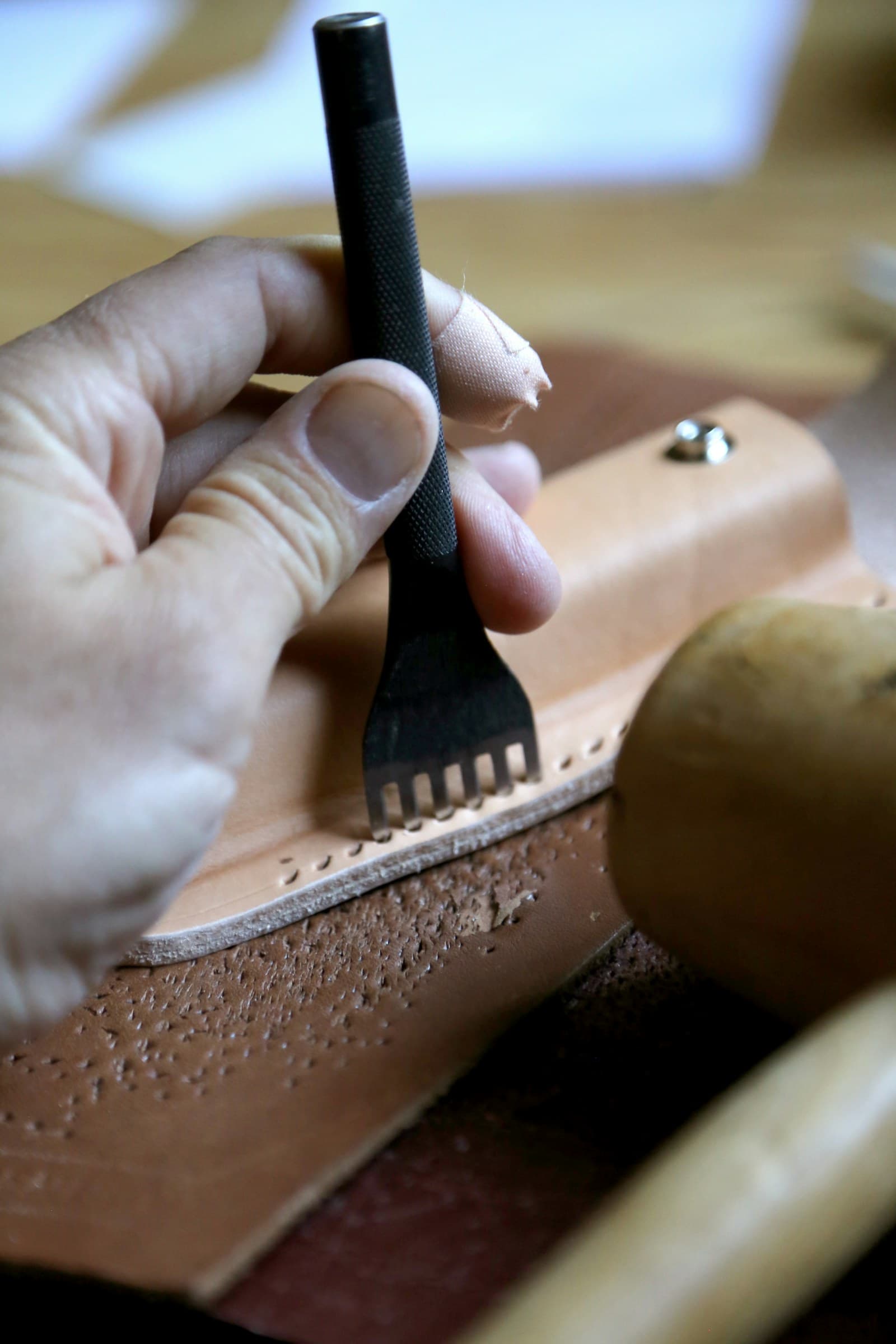
Colour is built in controlled stages for depth and evenness. With plant-tanned hides, much of the colour comes from the tannins themselves, deepening naturally over time.
In stages
Finishing
Zurichten
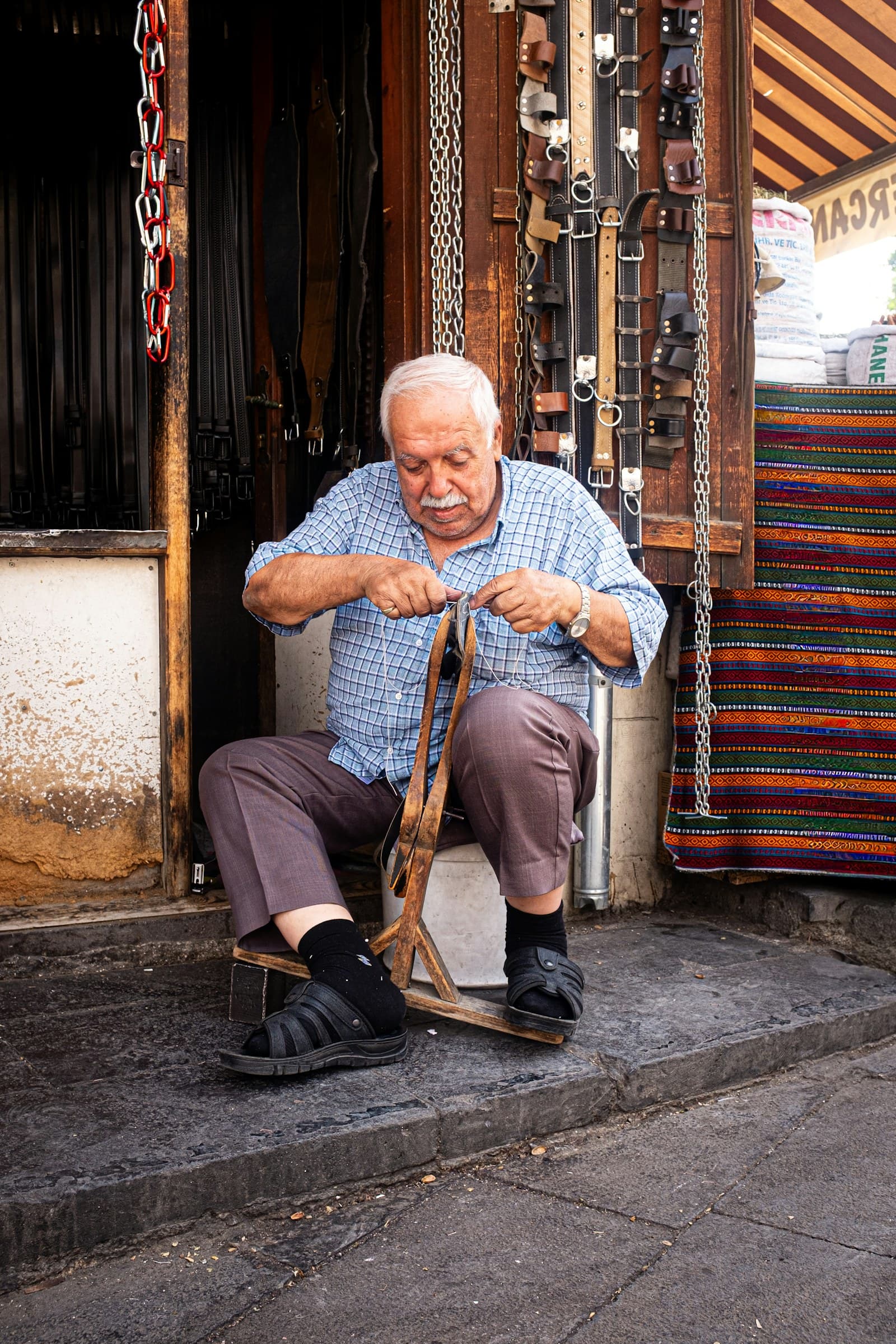
The final character is decided here: grain, texture, hand. By the hands of skilled artisans in Vietnam, hide by hide.
By hand, per hide
And then it starts again
Every hide goes through these four steps on its own. There is no batch that is left to itself.